


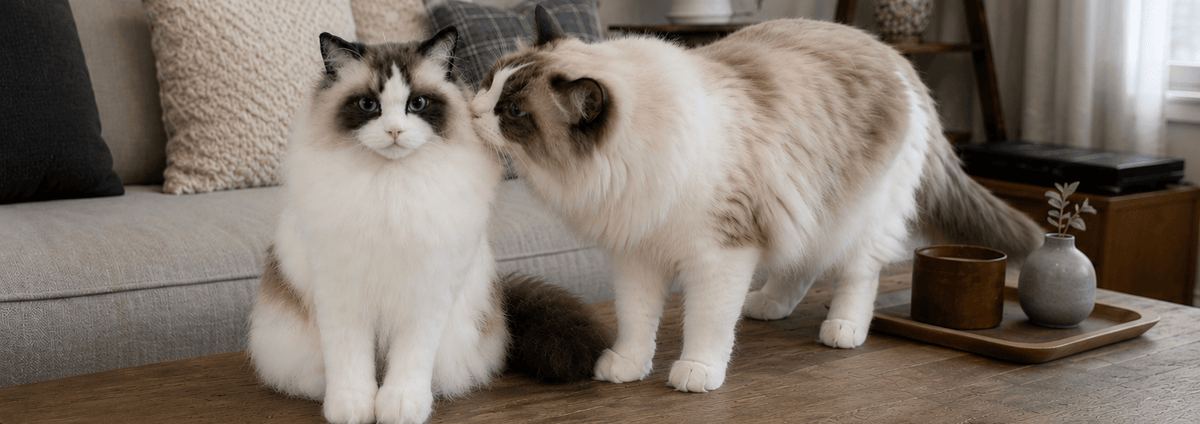
What Is a Custom Pet Clone?
In the pet keepsake industry, a “custom pet clone” usually means an artistic replica made to resemble a specific pet. It is not biological cloning.
A custom pet replica may be created with wool felt, fabric plush, clay, resin, paint, embroidery, or digital tools. The artist uses photographs and customer descriptions to recreate the pet’s recognizable appearance.
At Pawtrove Feltever, custom pet replicas are handmade primarily from wool using needle felting techniques. Different wool colors are layered and shaped to recreate the pet’s coat, facial structure, markings, and expression.
A Pet’s Memory Is More Than One Photograph
A single photograph captures one moment, angle, expression, and lighting condition. It may show the face clearly while hiding the markings on the back, the color of the paws, or the shape of the tail.
Memory works differently. You may remember the pet through several details at once:
- The expression they made when waiting for food
- The way one ear rested lower than the other
- A white patch hidden under the chin
- The curve of the tail while sitting
- A favorite collar or sweater
- A loaf, sleeping, standing, or head-tilt pose
- The softer or grayer coat they had in their senior years
A good custom pet replica combines these separate visual memories into one coherent keepsake.
Step 1: Build a Visual Memory Archive
Before choosing a product, collect all useful photos and videos in one folder. Do not select only the most beautiful pictures. Include practical reference images that show features clearly.
Essential Reference Photos
- Clear front-facing photograph
- Left and right side views
- Back view and tail details
- Full-body photographs
- Close-ups of the eyes, ears, nose, mouth, paws, and markings
- Natural-light photographs showing the coat color
- A short video showing posture and proportions
Photos do not have to come from the same day. The artist can use one image for the face, another for the back markings, and a third for the pose.
If Your Pet Has Passed Away
Do not worry if some angles are unavailable. Send the clearest photographs you have, including older pictures, family photos, video screenshots, and images from different stages of the pet’s life.
Write down details that are missing from the available photos. This is especially helpful for hidden chest patches, paw colors, tail markings, and features obscured by shadows.
Step 2: Choose the Main Expression and Pose
Multiple photos provide information, but the artist still needs one clear creative direction. Select one image as the primary reference for the pet’s facial expression.
Ask yourself which version feels most familiar:
- Alert with raised ears
- Relaxed with soft eyes
- Smiling with the tongue visible
- Curious with a slight head tilt
- Calm in a familiar sitting position
- Sleeping or curled into a favorite pose
Avoid asking the artist to combine too many incompatible expressions. For example, ears from an alert photograph may not look natural with the relaxed face and sleeping posture from another image.
Choose one emotional direction, then use the other photographs to supply factual details.
Step 3: Match the Replica Format to the Memory
Different formats preserve different parts of the pet. The best option depends on whether you miss the face, complete posture, small daily presence, or a particular memorial arrangement.
| Memory you want to preserve | Recommended format | Why it works |
|---|---|---|
| Face, eyes, ears, and expression | Framed felt pet portrait | Places the visual focus on facial recognition. |
| Complete posture and body shape | Full-body figurine | Includes the body, paws, markings, tail, and pose. |
| Small everyday presence | Mini figurine | Fits a desk, shelf, or bedside table. |
| Portable or seasonal remembrance | Felt pet ornament | Can hang from a hook, bag, tree, or display stand. |
| Protected memorial with ashes | Memory Home | The wooden base is designed to hold a small amount of ashes. |
Browse all custom pet memorial formats before deciding which part of the memory should receive the most detail.
Step 4: From Reference Photos to Wool Felt Form
Once the reference direction is confirmed, the artist begins constructing the wool felt portrait.
Build the Basic Structure
For a three-dimensional figurine, wool is shaped into the head, body, legs, paws, and tail. For a framed portrait, the main focus is the head, cheeks, muzzle, ears, and visible chest or front legs.
Blend the Coat Colors
Several wool colors may be combined to recreate gradients, stripes, patches, masks, points, and changes in color around the face.
Shape the Facial Features
The eyes, nose, mouth, ear position, cheeks, and muzzle are adjusted according to the main expression photograph.
Add Recognizable Details
The artist then adds features such as a collar, tongue, chest patch, white paws, tail rings, facial spots, or a favorite pose.

Step 5: Review the Preview for Recognition
Pawtrove Feltever can provide photos or videos of the completed piece before shipping. This is the customer’s opportunity to check whether the replica reflects the most important visual memories.
Instead of saying only “It does not look right,” give specific feedback:
- The ears should be slightly wider or lower.
- The muzzle appears too long.
- The eye color should be warmer or darker.
- The white chest patch needs to extend farther.
- The tail should curve toward the other side.
- The expression should feel more relaxed.
Compare the preview with the chosen main expression photo and the supporting detail images. Specific observations are easier for the artist to act on than a general feeling.
Step 6: Add Physical Memorial Elements Carefully
Real Pet Fur
A small amount of clean, dry pet fur may be incorporated into certain wool felt pieces after the arrangement has been confirmed before production.
The main structure and visible coat are still created from wool. Real fur is generally used as a symbolic addition rather than the primary sculpting material.
Never send all the fur you have saved. Keep most of it securely at home.
Collars and Clothing
Depending on the product and size, a collar, clothing item, or other small accessory may be represented or included. Confirm this before sending an irreplaceable belonging.
Pet Ashes
Standard full-body figurines, framed portraits, mini figurines, and ornaments are not designed to hold ashes.
Only the wooden base of the Memory Home Pet Memorial is intended to store a small amount of ashes.
What a Custom Pet Replica Can and Cannot Do
| A custom pet replica can | A custom pet replica cannot |
|---|---|
| Preserve recognizable features and markings | Become a perfectly identical copy of a living pet |
| Turn photos into a physical display | Replace the pet or remove grief |
| Combine information from several photos | Recover details that are absent from every reference without interpretation |
| Recreate a familiar pose or expression | Combine incompatible poses and expressions naturally in every case |
| Include selected symbolic memorial elements | Safely store ashes unless the product was designed for that purpose |
| Provide a lasting indoor keepsake | Function as a washable toy or outdoor decoration |
A custom pet clone is most successful when it is treated as a handmade interpretation of memory, not as a promise of exact duplication.
Frequently Asked Questions
Is a custom pet clone the same as biological cloning?
No. In the keepsake industry, “custom pet clone” usually describes an artistic replica made from photographs using wool, fabric, clay, or other materials.
Can a pet replica be made from only one photo?
It may be possible, especially for a face-focused portrait, but multiple angles provide better information about markings, proportions, paws, and tail shape.
Which photo should be the main reference?
Choose a clear image showing the expression that feels most familiar. Supporting photos can provide coat colors, body proportions, and hidden markings.
Can old or blurry photos be used?
Send all available references. Older or lower-quality photos may still provide useful information, but unclear details may require artistic interpretation.
Which format is best for the most complete pet replica?
A full-body figurine is the most complete format because it can include the face, body proportions, coat markings, paws, tail, and posture.
Can I review the finished replica before shipping?
Yes. Pawtrove Feltever can provide preview photos or videos so customers can review the portrait and request reasonable refinements.
Can real pet fur be added?
A small amount of clean fur may be incorporated into certain wool felt pieces after confirming the request before production.
How long does the process take?
Mini figurines and ornaments may take approximately one week, framed portraits about two weeks, and larger full-body or Memory Home designs approximately two to five weeks. Timing varies with detail and the current queue.
Turn the Details You Remember Into a Physical Keepsake
Gather your pet’s photographs, choose the expression and pose that feel most familiar, and select a wool felt format designed around the memory you want to preserve.
Start Your Custom Pet ReplicaLearn More About Custom Wool Felt Pet Portraits
Compare product formats, materials, sizes, prices, production times, photo requirements, memorial options, payment plans, care instructions, and common customization questions.
Read the Custom Wool Felt Pet Portraits Guide


